🚴 Why Timing Matters: Fueling like a Pro

⏱️ Nutrient Timing Drives Gains
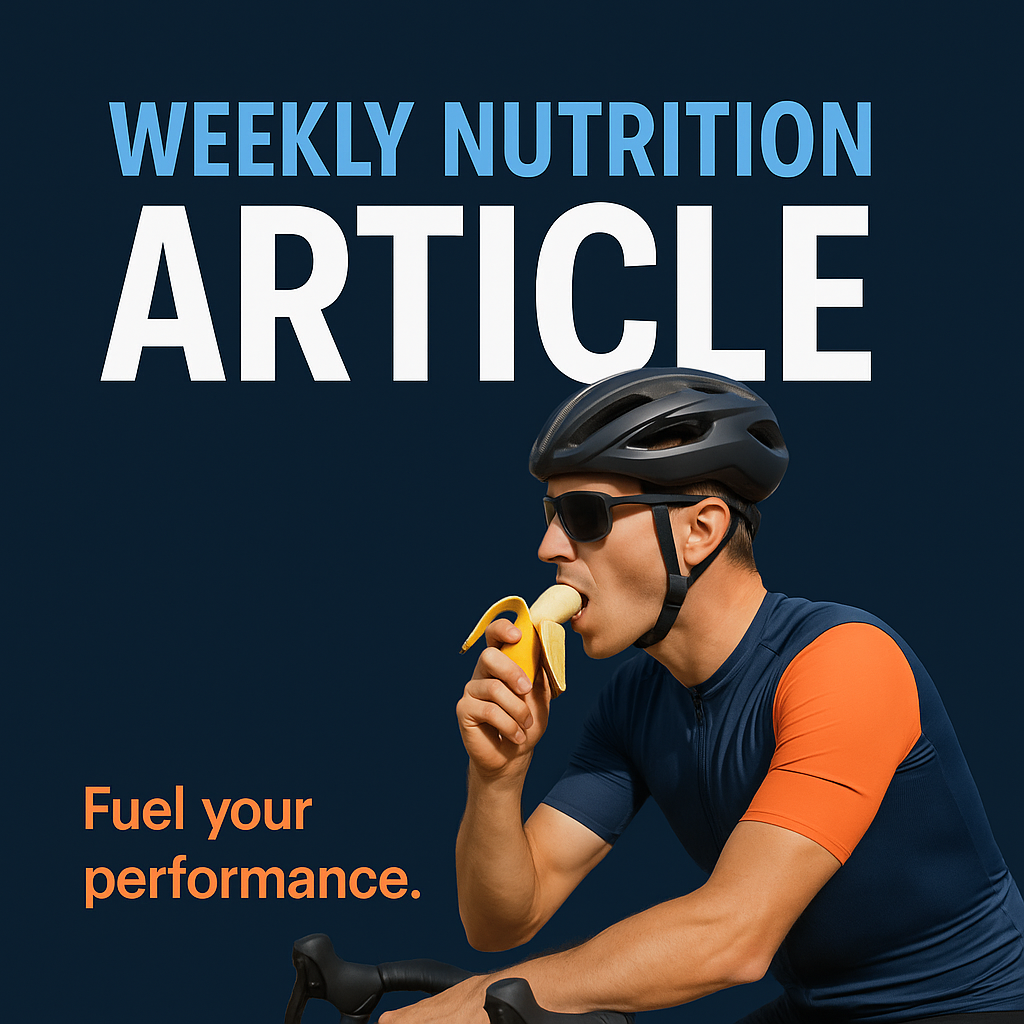
Meta-analyses confirm that consuming carbs and protein immediately after exercise—rather than delaying—significantly improves glycogen restoration, muscle recovery, and reduces fatigue . In short: waiting an hour to eat isn’t helping your body do all the hard work it just did.
🥖 Core Nutrition Principles
Carbohydrates: High-Octane Fuel
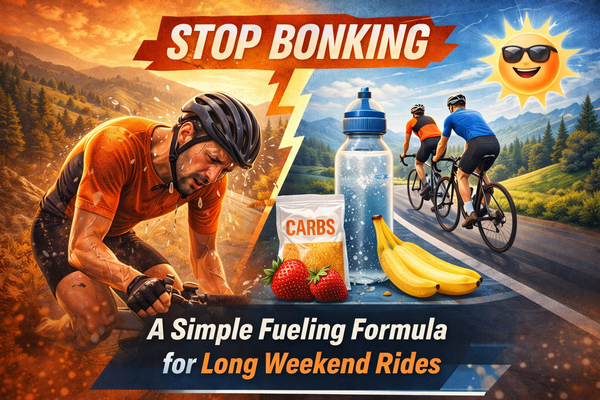
- Elite riders now frequently consume up to 120 g/hour during stages, using a balanced 2:1 glucose-to-fructose mix to enhance absorption and minimize gut distress .
- For most amateur riders, a sensible target remains around 60–90 g/hour, via isotonic drinks or gels .
Protein: Recovery and Adaptation
- Current guidance suggests ~1.8 g/kg/day, with up to 2.0 g/kg on rest or low-carb days .
- Post-ride intake of ~20–30 g protein promotes repair and training adaptation.
Hydration & Electrolytes
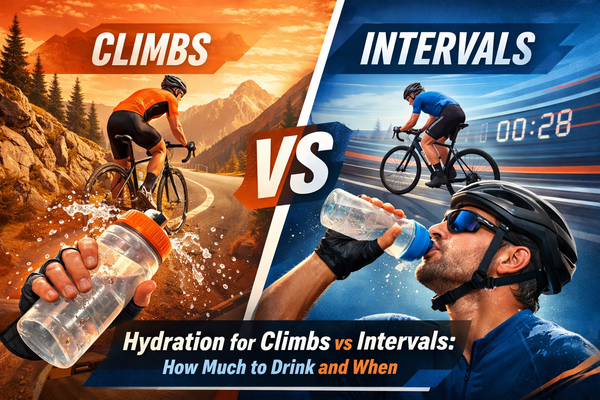
- Sodium needs to be replaced during long rides to avoid fatigue and cramping, while magnesium (around 400 mg, a couple of hours pre‑ride) supports muscle function and may reduce exercise-induced fatigue if habitual intake is low .
⚗️ Supplements with Solid Backing
🌱 Broccoli-Sprout Shots (Nomio)
A new trend backed by Karolinska researchers: isothiocyanate-rich broccoli-sprout shots reduce lactate formation, stabilize blood sugar, and enhance endurance and recovery in preliminary athlete trials .
⚡ Caffeine
Time-tested and reliable: improves power, alertness, and repeated sprint ability—performance gains often in the 2–5% range when consumed 30–60 minutes before exercise .
🧱 Creatine
Yes, endurance athletes can benefit too. Creatine supports high-intensity output during sprints or late-race pushes, and may improve recovery. A daily dose of 3–5 g (or a short loading phase) is typical .
🧂 Sodium Bicarbonate
A traditional acid buffer: 0.3 g/kg body weight within 60–180 min pre-exercise consistently shows modest time-trial improvements—but stomach upset can be a deal-breaker .
🍷 Beetroot Juice (Nitrate)
Well-supported: ~70 ml taken 60–90 minutes before riding may improve oxygen efficiency and endurance in certain individuals, especially when paired with high-carb protocols .
🔬 Ketone Esters
Following a four-year UCI study, ketone supplements are expected to become officially permitted. The verdict? Safe, but not performance-enhancing, and very expensive .
🔍 Individual Metrics: Carb Oxidation is Not One-Size-Fits-All
A new home test used by WorldTour riders measures individual carbohydrate oxidation using carbon‑13 breath analysis. Results show wide variation—from 69 to over 180 g/hour in elite cyclists—emphasizing that high intake should match your oxidation capacity; otherwise excess may either go unused or cause gut issues .
📋 Sample Nutrition Plan for a Long Ride
Time | What to Consume | Why It Works |
|---|---|---|
2 hrs pre-ride | Whole-grain toast + banana + magnesium-rich yogurt | Carbs and minerals ready muscles for effort |
60 min pre-ride | Broccoli-sprout shot or beetroot juice + caffeine | Reduce lactate build-up or boost focus and endurance |
Just before ride | If needed, a carb mouth rinse | Brain signalling can give that subtle edge |
During ride | 60–90 g/hr carb drink (2:1 carb ratio) + electrolytes | Sustained energy and balanced hydration |
Immediately post | Protein shake (~25 g whey), creatine + carbs | Speeds recovery and glycogen restoration |
Evening | Light meal with protein, carbs, vegetables | Completes recovery and supports adaptation |
🧠 Final Takeaways (Without the Hype)
- Timing is everything: post-ride nutrition matters more than you think.
- Personalize carb intake, especially if you know your oxidation limits—or comfortable gut capacity.
- Use supplements judiciously: broccoli-sprout shots, caffeine, creatine, beetroot, bicarbonate—but introduce one at a time.
- Ketones may be legal soon, but the science says they’re not essential save for curiosity or placebo-power.
- Ride smarter, not just harder, and let your body—and its response to nutrition—guide your tweaks.