(Untitled)

1. Jonas Vingegaard Claims Vuelta a España 2025; Final Stage Disrupted by Protests
What happened:
The Vuelta a España (23 August‑14 September) wrapped up with Denmark’s Jonas Vingegaard (Visma‑Lease a Bike) taking overall victory, seizing back the red jersey with a solo win on the decisive Queen stage atop La Bola del Mundo.
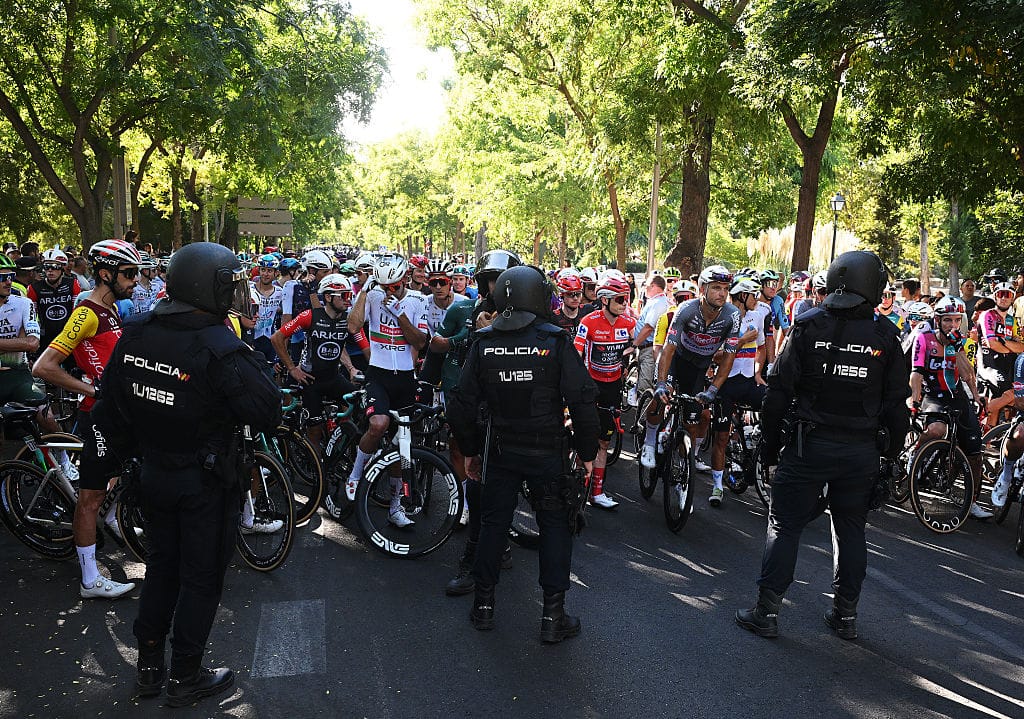
However, things got messy at the end: the final stage in Madrid was cancelled (or severely curtailed) due to large pro‑Palestinian protests. The podium ceremony couldn’t take place as planned.
Key moments / observations:
- Vingegaard’s climbing was very strong, especially on summit finishes including the Bola del Mundo. He also performed when needed in time trials.
- Tom Pidcock finished third overall, a strong result given his team is not a full WorldTour (Q36.5), raising questions about how riders are developed under different team philosophies.
- Protests throughout the race raised safety and image issues. For example, Israel‑Premier Tech removed “Israel” from their jerseys mid‑race citing security concerns.
Image & original:
[Image of Vuelta a España action / finish / protests] (Getty / Reuters images typical; see CyclingNews or AP News) — e.g. stage images showing riders in action near summit finishes.
Original article: Vuelta a España 2025 summary at CyclingNews.
2. Garmin Launches New Edge 550 & 850 Bike Computers + Rally 110/210 Power Pedals
What happened:
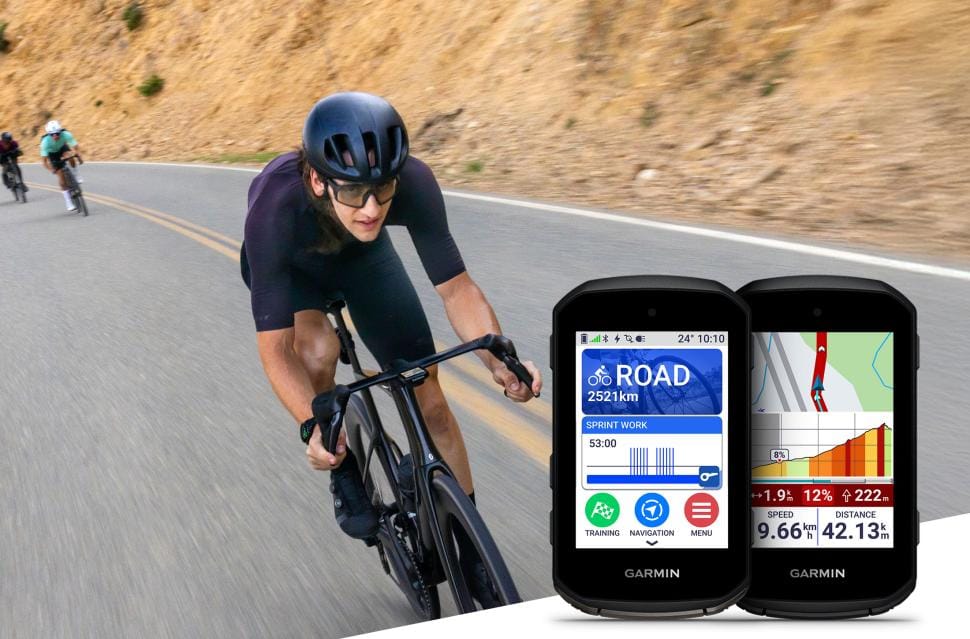
Garmin has updated its mid‑range cycling tech with new bike computers (Edge 550 and Edge 850) and new pedal‑based power meters (Rally 110 and 210). Some of the upgrades:
- Better battery life (up to ~36h), onboard course creation, “smart fuelling” reminders, improved weather/hazard alerts.
- The 850 adds a touchscreen, speaker, MTB ride profiles, gear ratio analysis, etc.
- New power meters with USB recharge, quick‑charge, improved accuracy (~±1%), compatibility with oval chainrings, and versions for off‑road as well as road.
Why this matters:
- These are meaningful upgrades for riders who train / race seriously but don’t always use top‑tier pro gear. The tools are more precise, more versatile.
- Features like hazard alerts, fuel reminders, onboard routing/course creation are realistic marginal gains that can add up, especially in mixed / variable conditions.
- Power pedals that handle oval chainrings and are accurate to ±1% are especially helpful — oval rings sometimes give aerodynamic or biomechanical advantages, but compatibility has been a sticking point.
Image & original:
[Image of Garmin Edge / power pedals] from CyclingNews product announcement.
Original article: Garmin unveils Edge 550 and 850 … at CyclingNews.
3. Chris Froome Suffers Serious Training Crash; Recovery & Uncertainty Ensue
What happened:
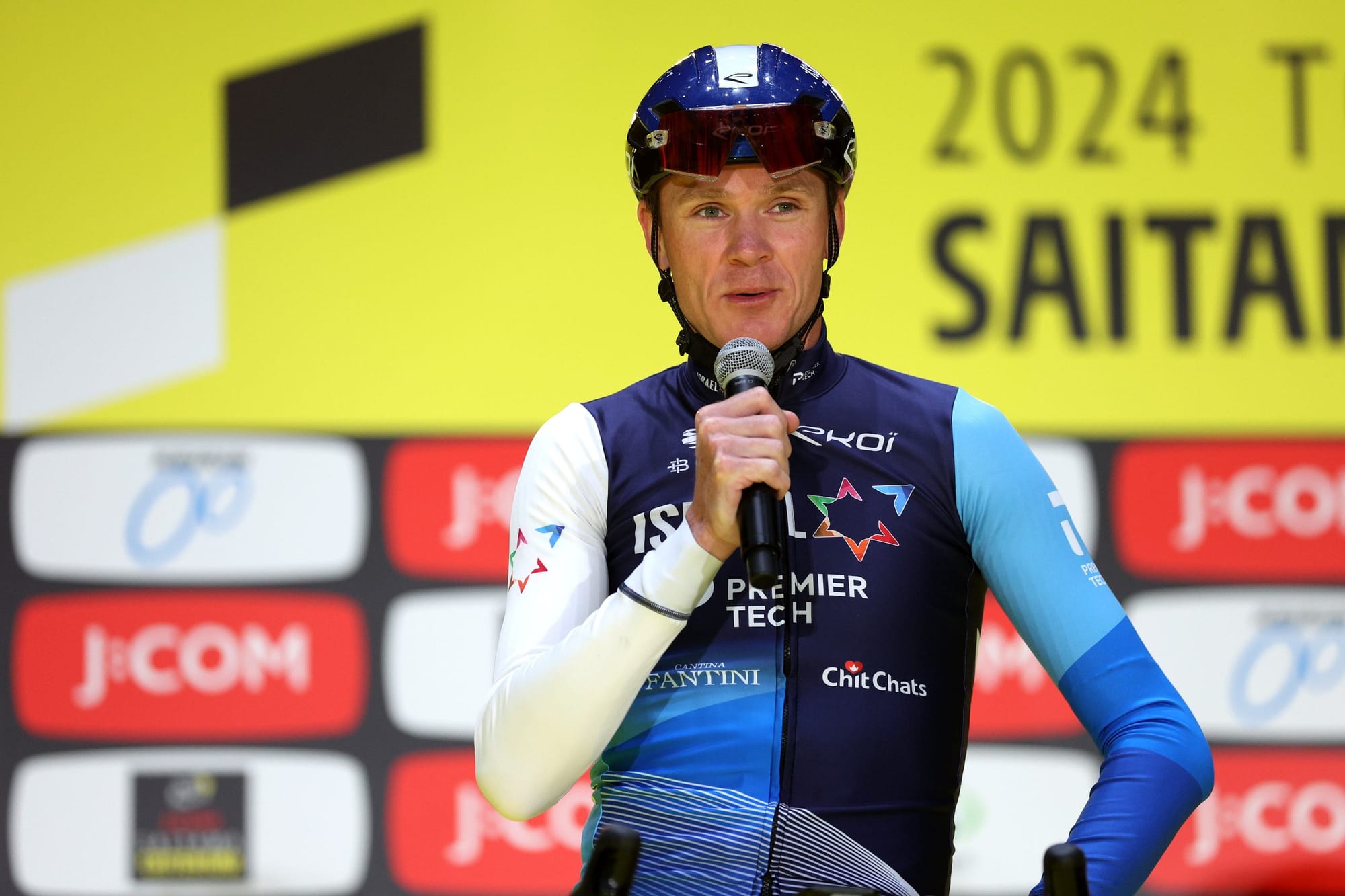
Chris Froome (Israel‑Premier Tech) had a serious crash while training in southern France. He reportedly hit a curb at speed, collided with a road sign, and sustained severe injuries: pericardial rupture (tear in the sac around the heart), collapsed lung, five broken ribs, and a fractured lumbar vertebra. He was conscious, transported to a specialist hospital, underwent surgery.
Why this is significant:
- The injury is life‑threatening; more than just bones. The pericardial rupture is serious medically.
- Froome is 40 and nearing the end of his contract; with such injuries the possibility of retirement or reduced activity becomes more real.
- Reminds the cycling community that training (not just racing) has its dangers. Even for riders with decades of experience.
Image & original:
[Image from the crash site / hospital / portrait of Froome] — press‑images from CyclingWeekly or AP News etc.
Original article: “’It’s a lot more serious than some broken bones’ - Chris Froome suffered life‑threatening heart injury in serious crash”, at CyclingWeekly.
4. Israel‑Premier Tech Remove “Israel” from Jerseys During Vuelta Because of Protests
What happened:
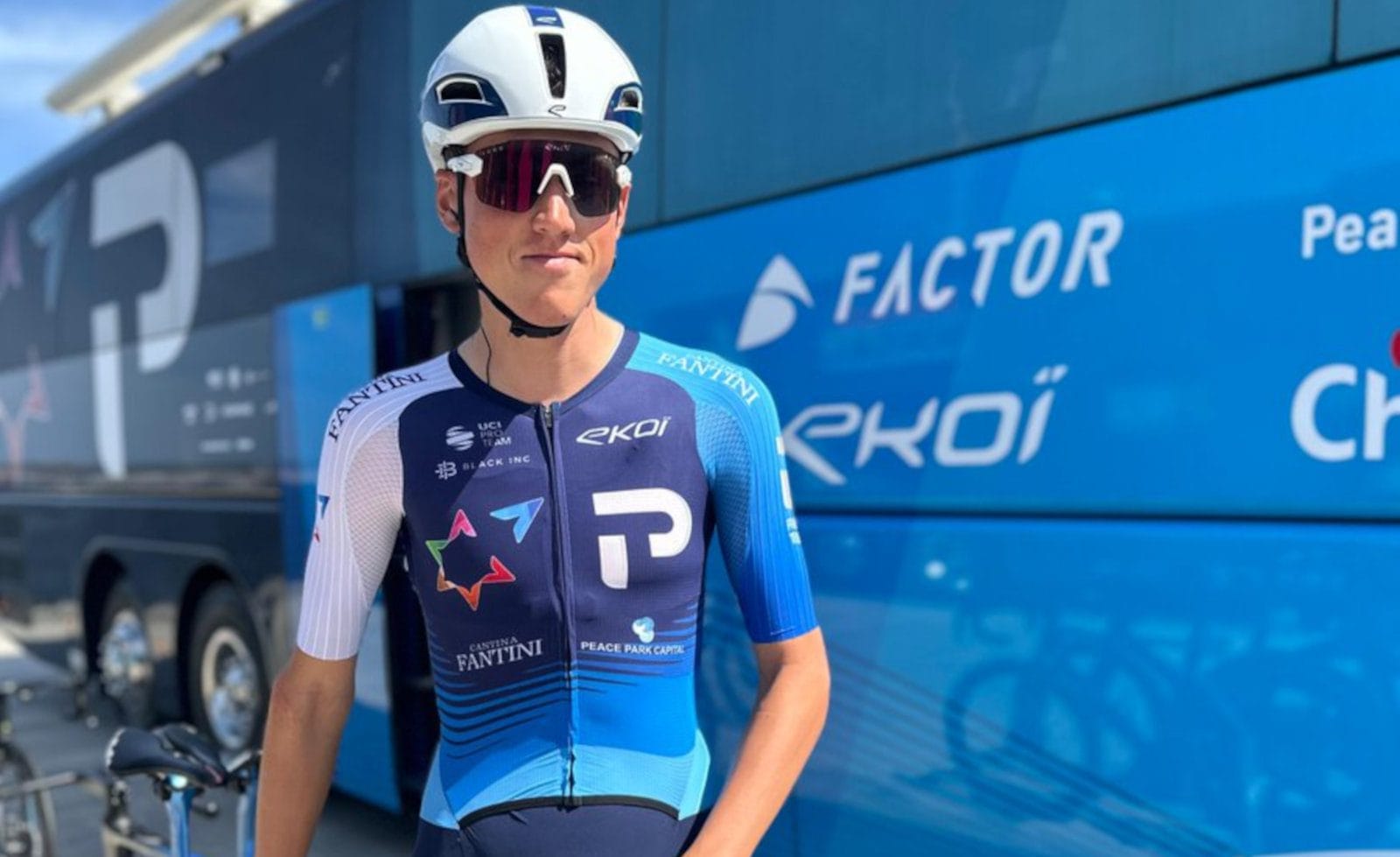
Due to ongoing pro‑Palestinian protests during the Vuelta, the Israel‑Premier Tech team decided to remove the word “Israel” from their race jerseys for the remainder of the event, starting around Stage 14. They kept the team name but used a monogram / logo instead of the full “Israel” text on jerseys, citing safety concerns.
Why this matters:
- It’s a rare mid‑race change driven by external political / safety pressures. Teams are typically stable in appearance through a race, but this shows just how heat (both figurative and literal) around politics can impact sport.
- Raises questions about protest vs. safety, branding, identity. For a team registered in one country, to remove its country’s name in reaction to safety concerns is significant.
- Also speaks to the tension between global sport and geopolitics: fans, protesters, teams, organizers all affected.
Image & original:
[Image: riders of Israel‑Premier Tech in altered jersey / protests near race] from CyclingNews / Getty Images.
Original article: Israel‑Premier Tech to race remainder of Vuelta a España without ‘Israel’ on jerseys… at CyclingNews.
5. Julian Alaphilippe Wins Grand Prix Cycliste de Québec in Late‑Race Attack
What happened:
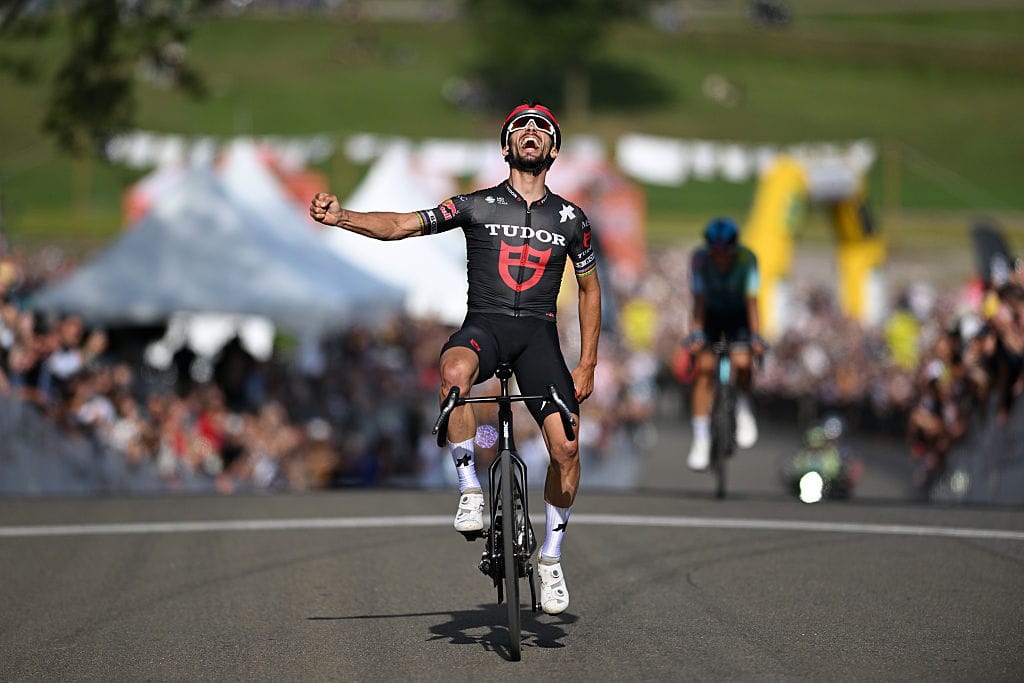
On 12 September 2025, Julian Alaphilippe took victory at the Grand Prix Cycliste de Québec (UCI World Tour) after a late‑race attack. He broke away on the final climb (Côte de la Montagne), dropped his breakaway companions, then held off the chasing group to finish solo. Pavel Sivakov and Alberto Bettiol rounded out the podium.
Why this matters:
- Alaphilippe continues to show his punchy strength in one‑day races: these finishes with steep climbs suit his style.
- The timing of the race (after the Vuelta) shows riders are maintaining or regaining form; not everyone is in full recovery mode yet.
- For the peloton, races like Québec are vital markers: they test form, strategy, and often serve as stage‑setters for late season targets or for riders shifting focus to Worlds.
Image & original:
[Image: Alaphilippe celebrating solo win / action on Québec’s climbs] from race photo galleries.
Original article: Grand Prix Cycliste de Québec: Julian Alaphilippe storms to hard‑fought solo victory… (Wikipedia / local sport press)
Final Thoughts
This past week in cycling was both triumphant and tumultuous. Vingegaard’s dominance assures his place among the current greats; Alaphilippe reminds us that punchy one‑day racers still steal hearts; Froome’s crash is a sobering counterpoint to glory; tech keeps creeping forward in measurable, practical ways; and the intersection of politics and cycling is being felt not just in chants, but in jerseys and race routes.
If there’s a through‑line here: preparation matters — be it for climbs, for crises, for comebacks. Looking ahead, the upcoming UCI Road World Championships in Kigali loom, which may be the stage where many of these stories converge into something bigger.