Latest Insights: Cycling Performance & Nutrition


Recent studies continue to refine and deepen our understanding of how nutrition drives performance in cyclists, especially around endurance, recovery, and training adaptation. Key areas are carbohydrate strategy, protein requirements, timing of intake, supplement effects, and special conditions (e.g. heat). Below are the important findings.
What Research Tells Us
- Carbohydrate Intake During Exercise
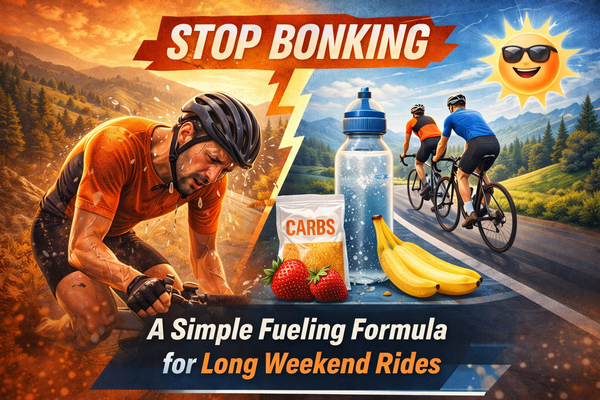
- A 2025 study “Effect of Low‑to‑Moderate Exogenous Carbohydrate Supplementation During Exercise”found that in moderately trained participants, ingesting exogenous carbs at 20‑60 g/hr (glucose+fructose) during high‐intensity cycling beyond the second lactate turn point improved blood glucose maintenance, but did not always significantly increase time‑to‑exhaustion compared with placebo, when pre‑exercise glycogen stores were already adequate.
- Another study reviewed different approaches to carbohydrate supplementation and emphasized that combinations (e.g. glucose + fructose) help avoid gastrointestinal issues and maximize absorption.
- Protein Needs and Use in Endurance Cycling
- A narrative review “Protein Nutrition for Endurance Athletes: A Metabolic Focus” suggests that in many cases, endurance cyclists benefit from a daily protein intake around 1.8 g per kg body mass, rather than the more common ~1.5 g/kg. Moreover, during periods of carbohydrate restriction or heavy training, protein needs may rise above 2.0 g/kg.
- Per‑meal protein dosing also matters. Approximate doses of ~0.5 g/kg body mass per meal (e.g. containing high‑quality protein) appear effective in stimulating muscle repair and adaptation.
- Timing of Nutrition / Supplementation
- A meta‑analysis “An investigation into how the timing of nutritional supplements affects the recovery from post‑exercise fatigue” demonstrated that immediate supplementation with protein + carbohydrate right after exercise (versus delayed) speeds recovery: less fatigue, better muscle repair, faster glycogen resynthesis. This is especially valuable when athletes have repeated training or short recovery windows.
- The Nutritional Strategies to Improve Post‑exercise Recovery and Subsequent Performance review also reinforces that carbohydrate ingestion in the first few hours post‑ride is critical when glycogen is depleted; adding protein improves muscle repair. Creatine and caffeine co‑ingestion may also help in certain contexts.
- Supplement Effects & Special Conditions
- Supplements like caffeine, creatine, sodium bicarbonate are repeatedly affirmed for ergogenic effects (higher power output, reduced fatigue, better recovery) in various studies. For example, combining carbohydrate and caffeine improved glycogen recovery in some trials.
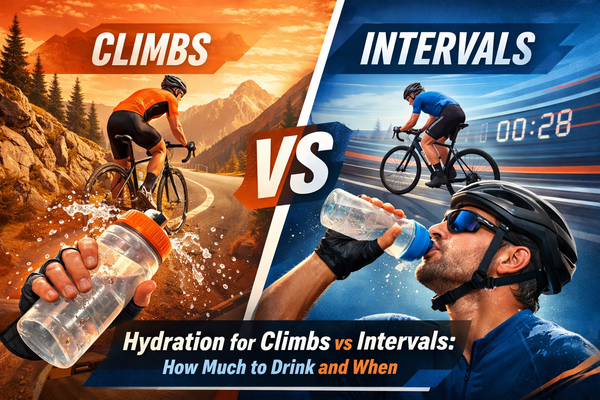
- Environmental stress: In hot conditions (≥27 °C), a 2025 network meta‑analysis found that menthol and taurine supplementation improved endurance and subjective thermal comfort. Equally, menthol energy gels helped with the perception of heat stress.
- Carbohydrate restriction: A recent study “Carbohydrate Restriction During Recovery from High‑…” looked at how restricting carbs post‑high intensity exercise can affect metabolic adaptations (e.g. increased fat oxidation), but this often comes at the cost of slower recovery and performance in subsequent efforts if not managed carefully.
- Emerging Natural/Plant‑Based Compounds
- A more recent trend: broccoli sprout juice (rich in isothiocyanates) has been explored in double‑blind trials; findings suggest reduced lactate and oxidative stress, aiding performance and recovery when consumed before intense training or at night.
- Also, antioxidant/phytonutrient strategies are being researched more: mitigating oxidative stress from demanding rides seems helpful for repeated effort recovery.
Putting It All Together: Dietary & Supplement Strategy for Cyclists
Based on what the research shows, here are structured strategies and examples of “what & how to eat”, including supplement ideas. These are general; individual adaptation matters.
Practical Eating & Supplement Plan
Phase | Goal | What to Eat / Use | Why This Helps |
|---|---|---|---|
Pre‑Ride / Training(2‑3 hours before) | Ensure glycogen stores are topped up; avoid GI issues | Mixed carb meal: e.g. oatmeal or whole‑grain toast + fruit + yogurt; if early session, maybe lighter but carb‑rich snack 30‑60 min prior if needed | Maintains energy, prevents bonking, ensures performance in early ride |
During Extended / Intense Ride(>60‑90 mins) | Sustain blood glucose; delay fatigue; avoid hitting ‘wall’ | Use exogenous carb blend: glucose + fructose (ratio perhaps ~2:1), targeting amounts adjusted to individual tolerance (e.g. ~60 g/hr, maybe more for trained individuals) + fluids + electrolytes | Supports energy provision; minimizes GI distress; keeps power output steadier |
Post‑Ride / Recovery Window(within 30‑60 min of finishing) | Rapid glycogen resynthesis; repair muscle damage; reduce fatigue | A smoothie or drink containing high‑glycemic carbs + quality protein (20‑30 g). If possible, include hydration / electrolytes. Consider adding creatine here if protocol supports. Also consider antioxidant / phytonutrient source (e.g. plant juice) | Evidence shows this timing yields faster recovery; combining carbs + protein improves outcomes; supplements may boost adaptation |
Between Training / Rest Days | Adaptation; rebuild; maintain protein balance | Ensure daily protein intake of ~1.8 g/kg (or more under heavy load or low energy availability); distribute protein across meals (e.g. 0.4‑0.5 g/kg per meal). Include whole foods rich in micronutrients; ensure diversity of foods (vegetables, legumes, nuts) | Supports muscle repair, mitochondrial adaptation, immune function; helps prevent overtraining or nutrient deficiencies |
Supplements & Special Scenarios | Support performance under specific demands, heat, or when food alone is insufficient | Caffeine (e.g. 3‑6 mg/kg ~ 60 min pre‑ride) for alertness / power. Sodium bicarbonate pre‑effort to buffer acidity in high‑intensity bursts. Creatine during heavy/intense training blocks to improve recovery & power output. Menthol / menthol gels in hot rides for thermal comfort. Taurine under heat or high stress. Phytonutrient sources like broccoli sprout juice to reduce oxidative stress. Use ketone supplements only if their trade‑offs are well understood. | These have shown ergogenic or recovery benefits in studies; help address specific weak links (e.g. acid buildup, oxidative damage, heat stress) |
Example Day for a Cyclist in Training
Here’s how a “good day’s fueling” might look for an advanced cyclist doing a long ride plus session, when one wants to maximize performance & recovery:
- Breakfast (3 hrs before ride): Whole‑grain porridge + banana + a scoop of whey protein + small handful of berries
- Pre‑ride snack (45 min before): Energy bar or toast with jam, plus ~200‑300ml of water with small electrolytes
- During ride (2‑3 hrs): Sip carbohydrate drink delivering ~60 g/hr (glucose:fructose mix), with regular fluids, electrolytes; midway maybe include a natural juice or bite with phytonutrients (if non‑GI upsetting)
- Post‑ride immediately: Drink with ~1.2 g/kg carbs + ~0.25‑0.4 g/kg protein; optionally creatine; hydration + electrolytes
- Later afternoon / evening: Balanced main meal: lean protein (fish/chicken/plant protein), starch (rice/potato), colorful vegetables (cruciferous veggies to supply antioxidants like those in broccoli juice or similar), healthy fats
- Before sleep (if needed): Light snack with protein (e.g. yoghurt, casein if available) especially if doing an early session next day
Key Principles to Emphasize
From the research, several principles stand out:
- Personalization is essential. Carbohydrate oxidation rates vary widely among individuals; tolerance, gut training, and genetics matter. What works for one cyclist may not for another.
- Timing matters. Both the timing of macronutrients (especially carbs + protein) and supplements (caffeine, bicarbonate, etc.) relative to exercise or recovery windows is critical.
- Enough protein, spread across meals. Daily and per‑meal protein intakes above what the casual exerciser consumes help with adaptation, repair, and sustained performance—especially under high training load or less than ideal carbohydrate availability.
- Supplements as tools, not crutches. They often deliver marginal gains, especially under specific conditions (heat, repeated days, high intensity). But they can be helpful when used correctly.
- Recovery & rest are not optional. Good nutrition supports adaptation only to the extent the body has time to repair. Without adequate recovery strategies and nutrition, performance gains plateau or decline.