🥦 Fueling for Pedals: What the Science Says

⏱️ Pre‑Ride Fuel & Carb Rinsing
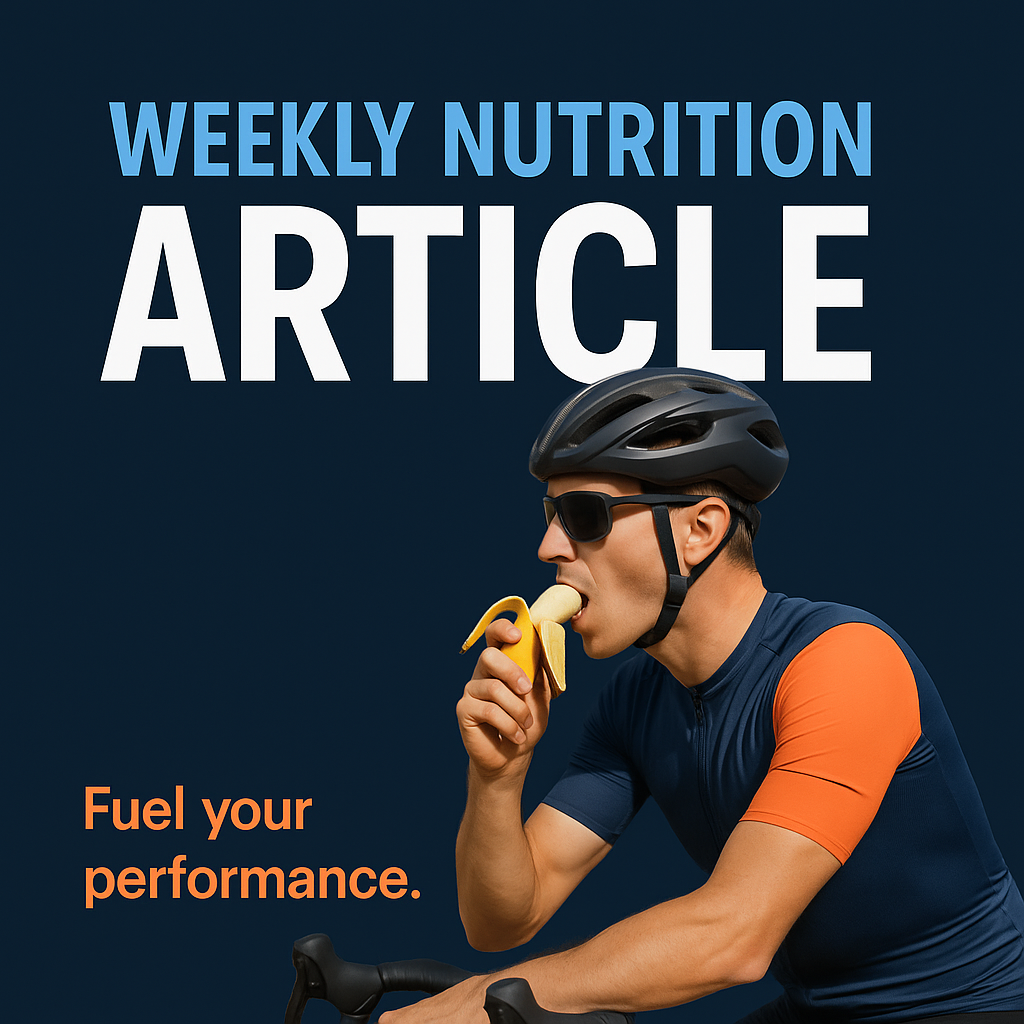
Don’t skip those carbs before a ride—or at least swish them around. Skipping food leaves you flat, while chewing on a 6–8% carb solution and spitting it out has been shown to boost high-intensity cycling performance by ~2–3% . It triggers brain receptors, making hard efforts feel easier. Not a free lunch, but a brain trick worth trying.
🍝 Carb Timing = Garage Door of Gains
Studies confirm what teams have known: timed carbs around workouts open the “garage door of opportunity” for better performance, recovery, and adaptation . Think: solid carbs before long rides, then again right after for glycogen resupply.
💪 Protein: More Than Muscle
Contemporary research recommends ~1.8 g/kg/day of high-quality protein for endurance athletes—with up to 2.0 g/kg on low-carb days . Spread that across meals and include some post-ride to speed up muscle and metabolic recovery.
🧳 Hydration & Electrolytes
Don’t overlook electrolytes—especially sodium and magnesium—to avoid fatigue, cramping, and that whole “I can’t lift my legs” feeling (). A simple tonic: sports drink or magnesium‑rich snack two hours before intense efforts and sips during rides.
Supplements That Actually Do Something
☕ Caffeine
A classic: consistent gains of 1.7–4.6% in time trials, better power output, hotter mental focus—and delayed fatigue . Best taken 30–60 minutes pre-ride. It’s like performance with a side of alertness. Genetics may tweak your response, but it’s a solid staple.
🧱 Sodium Bicarbonate
Less common but worth a mention: 0.3 g/kg about 60–180 min before effort has shown 1.6–2.3% faster times in shorter cycling tests . Warning: can bloat or upset your stomach. Some riders swear by it; others, not so much.
🍷 Beetroot (Nitrate)
Nitrate-rich beetroot juice (~3–16 oz, 60–90 min pre-ride) improves endurance by ~3–5% and helps oxygen usage . Plus, it might make your pee pink—bonus bragging rights.
🧂 Creatine
Not just for gym bros: creatine can boost late-stage sprint power, recovery, and even helps with hydration . A quick protocol: 20 g/day for 5–7 days, then 3–5 g/day. Expect a little water weight, but that sprint edge might be worth it.
🧊 Astaxanthin
A potent antioxidant—12 mg/day for just 7 days improved 40 km time-trial performance . Effects seem dose‑dependent; longer use may aid recovery more than peak performance. A niche but intriguing option.
⚗️ Ketone Esters
The UCI just cleared ketone supplements for use in pro pelotons—but with a caveat: they’re safe but don’t provide a noticeable performance boost . Expensive fun, but perhaps not essential.
Putting It All Together: A Sample Race-Day Nutrition Plan
Time | What to Eat | Why |
|---|---|---|
2 hr pre-ride | Oatmeal or toast + banana + magnesium-rich yogurt | Steady carb & mineral top-up |
60 min pre-ride | Beetroot juice (~200 ml) + 100 mg caffeine | Boosts endurance & focus |
Right before warm‑up | 6% maltodextrin mouth rinse | Finds mental edge |
During ride (60–120 min) | Carb-electrolyte drink (30–60 g carbs/hr, include sodium) | Fuels effort, prevents cramps |
Post-ride (within 30 min) | Protein shake (20–30 g whey), creatine (3–5 g) + banana | Supports recovery, glycogen & muscle repair |
Optional evening | 12 mg astaxanthin | Aids antioxidant recovery overnight |
A Friendly but Honest Reality Check
No magic supplement will turn you into a cycling hero on its own. Solid nutrition—timely carbs, enough protein, hydration—is the foundation. Caffeine, beetroot, creatine, astaxanthin, and even mouth rinses can give a little extra edge. Ketones? Safe, costly, not game-changing.
Wrapping It Up
- Base nutrition: carbs timed before/during/post, 1.8–2.0 g/kg protein, and electrolytes.
- Supplements: caffeine, beetroot, creatine, astaxanthin, sodium bicarbonate (mind your stomach), plus carb rinses for brain boost.
- Ketones: fun but optional and pricey.
Aim for balance, keep it simple—and try one new tweak at a time to see what suits your body (and sense of humor). Ride on!