Advances & Key Findings in Cycling Nutrition


Recent studies have sharpened our understanding of how nutrition can optimize performance, recovery, and adaptation for cyclists. Some of the most relevant findings:
- More precise carbohydrate supplementation
- A 2025 review “A Review of Carbohydrate Supplementation Approaches” (Cao et al.) examines how factors like types of carbs, ratios (e.g. glucose/fructose), concentrations, GI (gastrointestinal) tolerance, environmental conditions, and individual differences (age, sex) affect performance.
- Key takeaways: using combinations of carbohydrate sources to maximize absorption; gut‑training (practising higher carb intakes during training) to reduce GI distress; adjusting carb strategies when in heat, high altitude, or stress.
- Protein supplementation & endurance
- A systematic review and meta‑analysis in Frontiers in Nutrition (2025) found that protein supplementation during endurance training modestly improves time‑to‑exhaustion (TTE) but has smaller or inconsistent effects on VO₂max or peak power.
- Per‑meal protein dosing (~0.5 g/kg body mass per meal) seems effective to stimulate muscle protein synthesis in endurance athletes.
- Timing of intake (pre‑, during, post‑exercise)
- Studies reaffirmed that ingesting carbs (with optional protein) immediately post‑exercise (within ~30‑60 min) significantly aids glycogen resynthesis and reduces fatigue.
- There is nuanced evidence that pre‑exercise carbohydrate intake “doesn’t always improve performance,” depending on state of glycogen, timing, type of exercise.
- Supplement and nutritional adjuncts
- Omega‑3 fatty acid supplementation (EPA/DHA) over ~6 weeks in trained amateurs altered submaximal exercise physiology (e.g. possibly improved economy, reduced heart rate, etc.), though not always producing improvements in time trial performance in every study.
- Co‑ingestion of carbohydrate with protein, fats, sodium, caffeine, and hydration/electrolyte strategies shows enhanced efficacy in supports (glycogen recovery, muscle repair) especially in demanding training cycles or short recovery periods.
- Individualized fueling & “gut training”
- There’s growing emphasis on individual differences: how fast someone oxidizes carbs, tolerates feeding, their GI comfort, response to environmental stressors. A new test (using isotopic carbon tracing + breath analysis) is revealing big variation in carbohydrate oxidation capacity between pros and amateurs.
- “Gut training” (practising ingesting high carb loads in training) is becoming standard to let riders handle higher carbohydrate intake during strenuous or long events without GI problems.
Nutritional Principles for Maximising Cycling Performance
From those findings, some principles emerge:
- Ensure adequate carbohydrate availability when needed: enough stored glycogen, and exogenous carbs during long or high intensity rides.
- Use multiple types of carbohydrates (glucose, fructose, etc.) to improve absorption and lessen gut issues.
- Spread protein intake across meals, especially ensuring sufficient protein after sessions to support repair and adaptation.
- Pay attention to timing: pre‑load, during‑ride feeding, and especially the recovery window immediately after the ride.
- Adapt strategies to environment, individual factors, and training schedule.
- Use supplements strategically, not as replacements for good whole foods.
Practical “What & How to Eat” Examples (Day & Ride Plans + Supplements)
Here are sample strategies for different phases, plus supplement ideas.
Sample Nutrition Plan for a Long Ride + Recovery Day
Time | Goal | What to Eat / Drink |
|---|---|---|
Night before / dinner | Top‑off glycogen, ensure good micronutrients | Pasta or rice + lean protein (chicken, fish or plant‑based) + plenty of veggies + healthy fats (olive oil, nuts) |
Breakfast (3–4 hrs before ride) | Fill up glycogen, provide slow‑release fuel, avoid spikes too early | Oatmeal with banana, maybe honey; wholegrain toast + eggs or yoghurt; moderate protein; low GI fruit |
Pre‑ride snack (30‑60 min before) | Quick carb boost, avoid hunger, but manageable digestion | A carb drink or gel; maybe banana; something easy to digest |
During ride(if >90 min) | Maintain glucose, avoid “bonk”, maintain power | Carbohydrate drink with mix (glucose + fructose) spread across the ride, aiming for perhaps 60‑90 g carbs/hr (varies with the rider/training); electrolytes; maybe small easily digestible snacks (chews, gels); fluids consistent with sweat losses |
Recovery (within 30‑60 min post‑ride) | Glycogen resynthesis; muscle repair; begin hydration | Drink or smoothie with ~1.2 g carbs/kg + ~0.3‑0.4 g protein/kg; include electrolytes; possibly creatine if part of protocol |
Later meals / rest of the day | Sustained recovery; replenish; support adaptation | Balanced meals: lean protein, carbs (starch, wholegrains), veggies (antioxidant rich), healthy fats. Ensure total daily protein about ~1.6‑2.0 g/kg (or more if high load). |
Evening / pre‑sleep | If next day is another ride: top off; support overnight recovery | Light snack with protein (casein, yoghurt, milk) perhaps; moderate carbs; avoid mega caffeine late; hydration |
Supplement Targets & Examples
Supplement | When / How Used | Evidence & Benefits | Cautions / Notes |
|---|---|---|---|
Protein powders (whey, casein, plant blends) | Post‑ride; also to “top up” daily protein intake | May improve time‑to‑exhaustion; support muscle repair; help ensure daily protein goals when whole food alone is hard to reach. | Choose high quality; check total dietary protein; avoid over‑reliance; some individuals have allergies or tolerance issues. |
Caffeine | Before or during high intensity rides or efforts | Boost in alertness, power output; may help in recovery when co‑ingested appropriately. | Timing important; risk of jitter, sleep disturbance; individual sensitivity. |
Omega‑3 (EPA / DHA) | Daily during training blocks | Some studies show improvements in submaximal exercise physiology (lower HR, better fat oxidation) though results not always consistent for performance metrics like time trials. | Sufficient dose & duration needed; may interact with medications; ensure good quality sources. |
Co‑ingestion supplements(mixtures of carbs + protein + sodium + possibly caffeine) | Post‑ride recovery; maybe in long events | Helps speed glycogen resynthesis; helps muscle repair; aids when recovery windows are tight. | Balance taste, solubility, GI comfort; avoid excessive electrolytes or caffeine. |
Sodium bicarbonate | Before or during high intensity efforts (intervals, time trials) | Helps buffer acid build‑up, delay fatigue in high intensity work. Evidence is mixed but promising in those scenarios. | Can cause GI upset; dose carefully; trial in training first. |
Ketone supplementation | Investigated, but current evidence suggests limited performance enhancement; possibly more useful for recovery or metabolic adaptation, depending on regulation. | If used, must be in legal and safe regime; effectiveness depends heavily on context. | |
Hydration / Electrolytes | Pre, during, after ride; especially in heat or long rides | Critical for performance; aids thermoregulation, fluid balance; affects power output and fatigue. |
Putting It Into Practice: Example Scenarios
Here are two condensed practice cases showing how a cyclist might apply the recent research in real life.
Scenario A: Weekend Long Ride (4‑5 hrs) + Next‑Day Ride
- Pre‑ride evening before: Carb‑rich dinner (rice/pasta etc.), moderate protein.
- Morning: Breakfast 3 hours prior (oats + fruit + protein), snack 30–60 min before start.
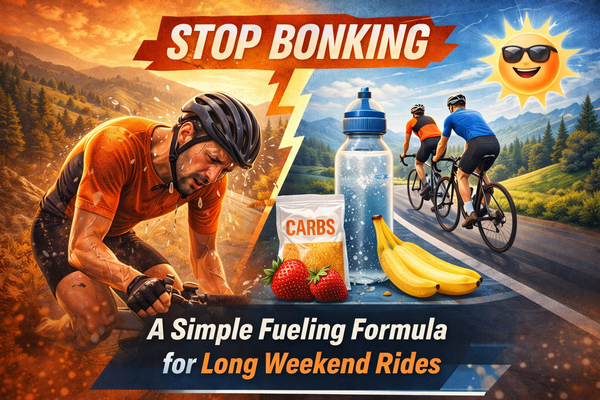
- During ride: Start sipping a carb‑electrolyte drink; aim for ~70‑90 g carbs/hr depending on how well gut is trained. Use gels / chews + drink. Hydrate to replace sweat losses.
- After ride: Immediately have recovery drink with ~1.2 g carbs/kg + ~0.3‑0.4 g protein/kg. Maybe include creatine if that aligns with training block.
- Evening: Balanced meal. Next morning: lighter ride but continue fueling.
Scenario B: High‑Intensity Sessions + Short Recovery Window
- Suppose two hard interval sessions in one day (morning + afternoon).
- Pre‑session: Small quick‑digesting carbohydrate snack + maybe caffeine (if tolerable).
- Between sessions: Recovery drink with carbohydrate + protein, plus electrolytes. Possibly include something to buffer acid if second session is intense.
- After second session: Full recovery meal. Sleep & rest, ensure hydration, good protein + whole foods.
Summary & Take‑Home Messages
- Carbohydrates remain king for sustaining high power output, long durations, and delaying fatigue. The emphasis is on type, timing, and maximizing absorption (including gut training).
- Protein is essential, not just for strength athletes: endurance riders benefit especially in repair, adaptation, time to exhaustion.
- Timing—pre, during, and especially post‐exercise—is a lever you can pull for meaningful gains.
- Individualization matters: oxidation rates, GI tolerance, and environmental factors vary widely. What works for one rider may not work optimally for another.
- Supplements are tools, not silver bullets: used to fill gaps, support recovery, or enable higher performance under certain conditions—not replace whole‑food base nutrition.